
Markets
Date:2025-12-11
IML Film Market Trends: Current Landscape and Future Outlook
Introduction
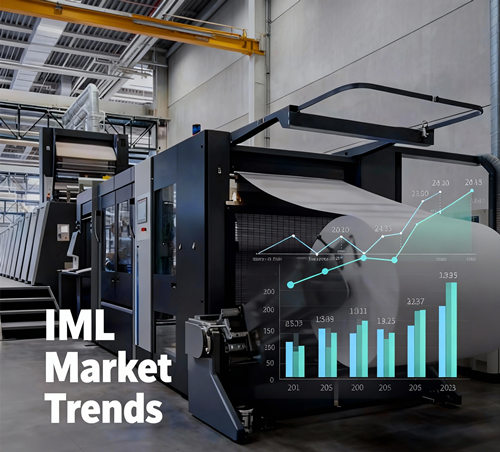
In-Mold Labeling (IML) film has become a critical component in modern packaging, integrating labels directly into plastic containers during the molding process. This technology eliminates secondary labeling, improves durability, and delivers high-quality visual appeal. As global demand for sustainable, efficient, and brand-enhancing packaging grows, the IML film market is experiencing significant evolution.
1. Market Growth Drivers
Brand Differentiation and Aesthetics
Brands across consumer goods categories—including personal care, food & beverage, household products, and healthcare—are increasingly using IML films to create premium packaging that stands out on shelves. IML delivers consistent, high-definition print quality and dynamic design possibilities that conventional pressure-sensitive labels cannot match.
Manufacturing Efficiency
IML films reduce production complexity by enabling one-step label integration within injection and blow molding processes. This can lower labor costs, minimize defects associated with post-molding application, and improve cycle times, making IML an attractive option for high-volume manufacturers.
Durability and Performance
IML film labels are more resistant to abrasion, moisture, and chemical contact compared to traditional labels, enhancing product longevity and performance. This benefit is especially valued in markets such as home care and industrial packaging.
Sustainability Demand
With increasing regulatory and consumer emphasis on sustainability, IML film solutions that support recyclability and reduce material waste are gaining traction. Recyclable films compatible with HDPE and PP help brands meet environmental targets and appeal to eco-conscious consumers.
2. Regional Market Trends
North America & Europe
These mature markets emphasize quality, compliance, and sustainability. IML adoption continues to grow especially in food packaging and personal care categories, driven by stringent labeling standards and consumer expectations for premium packaging.
Asia Pacific
The Asia Pacific region shows rapid IML market expansion, led by China, Southeast Asia, and India. High production volumes across FMCG and automotive sectors create robust demand for cost-effective, high-throughput labeling solutions. Infrastructure investments and smart manufacturing initiatives further fuel adoption.
Latin America & Middle East
Emerging markets in Latin America and the Middle East are adopting IML films for personal care and household chemicals, balancing affordability with performance. Growth is supported by rising urbanization and increasing brand awareness.
3. Technological Trends
Enhanced Print Quality
Advancements in film coatings and ink systems allow vivid graphics and finer detail. UV and water-based ink compatibility expands design flexibility.
Anti-Counterfeit and Traceability
With supply chain transparency becoming paramount, IML films are evolving to incorporate anti-counterfeit features such as serialized QR codes, hidden UV layers, and digital tagging. These features not only protect brands but also support product authentication and traceability.
Sustainable Material Innovation
Manufacturers are investing in bio-based resins and recyclable film structures that align with circular economy goals. Films designed for monomaterial recycling streams reduce barriers to sustainable packaging.
4. Challenges and Considerations
While IML films offer clear benefits, manufacturers may face challenges such as initial tooling investment, mold design optimization, and material compatibility issues. Effective implementation requires collaboration between film suppliers, mold designers, and brand teams to ensure optimal performance.
5. Future Outlook
The IML film market is poised for continued growth as brands worldwide prioritize performance, sustainability, and visual differentiation. Key trends likely to shape the future include:
Increased integration with smart packaging and digital authentication
Expansion of recyclable and bio-based film solutions
Broader adoption in high-volume verticals such as food & beverage
Growth in emerging markets driven by manufacturing modernization
Conclusion
IML film technology has transitioned from a niche premium solution to a mainstream packaging choice that combines aesthetic appeal, manufacturing efficiency, and long-term performance. As market dynamics evolve, suppliers and brands that embrace innovation, sustainability, and customization will gain competitive advantage in a crowded packaging landscape.
 CN
CN