
Latest News
Date:2024-05-20 20:44:38
In-mold labeling requires materials that are fully compatible with the molding process and can bond seamlessly with the plastic product. The most commonly used materials are:
PP is the primary material used for IML. It provides:
Excellent molding performance
Strong adhesion with the container surface
High stiffness & impact resistance
Good chemical and moisture resistance
PP-based IML films are ideal for both injection molding and blow-molding applications.
HDPE is another suitable material for IML, particularly for containers that require:
Strong mechanical durability
Moisture & chemical resistance
Smooth surface finish
HDPE labels are commonly used in household chemical packaging, personal care products, and industrial containers.
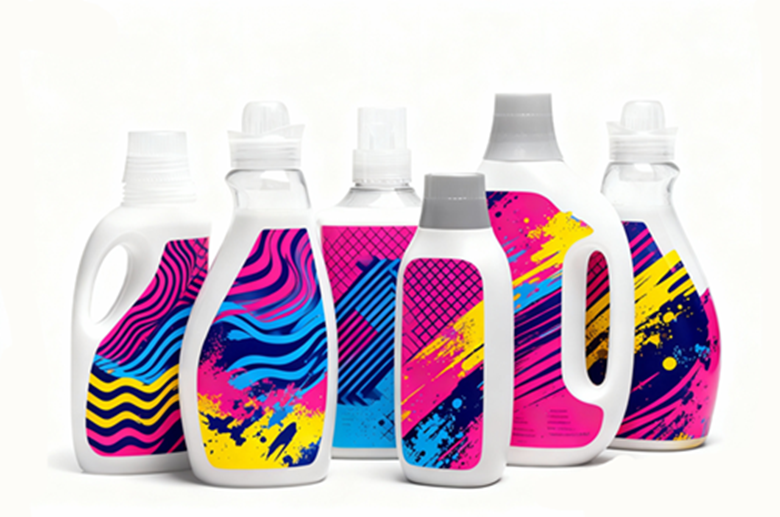
IML technology is widely used across multiple industries due to its efficiency, durability, and ability to achieve high-quality decoration. Key application sectors include:
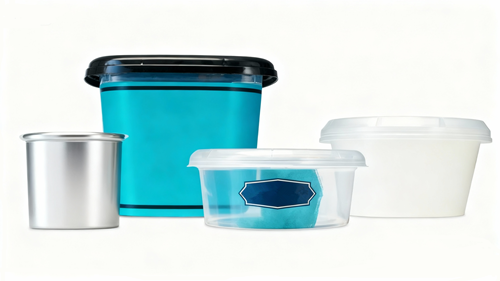
Used in bottles, cups, tubs, and lids with vivid graphics that do not fade or peel.
Examples: ice cream tubs, beverage lids, yogurt cups.
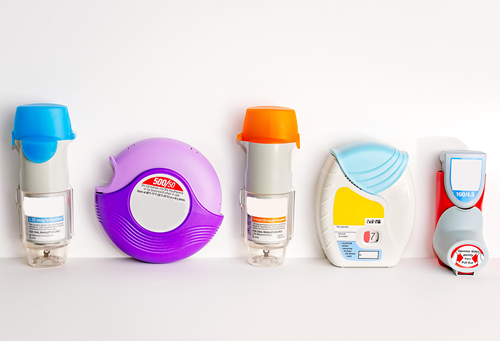
Provides high hygiene standards, tamper-evidence, and consistent traceability.
Examples: inhalers, syringe components, medication vials.
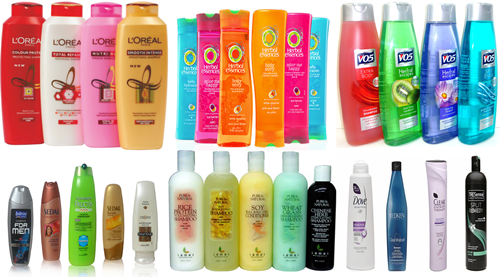
Suitable for cosmetics, home care products, and food packaging that require strong branding and visual appeal.
Examples: shampoo bottles, detergent packaging, makeup containers.
 CN
CN